

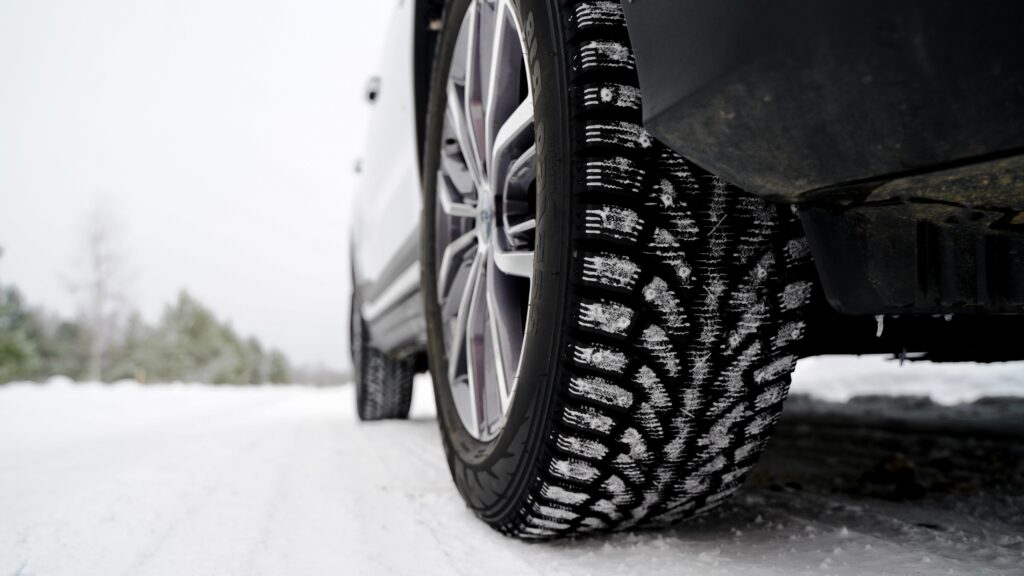
The colder air is a welcome break from summer’s heat, but it’s also a reminder to make sure your vehicle is ready for winter. Winter driving in Texas brings frigid temperatures, wind chill, ice, and even snow on occasion. All of these can take a toll on your vehicle over time and create hazardous conditions. A little preparation now can make all the difference, preventing inconvenient breakdowns and, more importantly, keeping you and your family safe on the road.
Inspect Your Tires for a Solid Grip
Your tires are the only part of your vehicle that touches the road. Their condition is essential for maintaining traction on slick surfaces. Before the temperature drops, give your tires a thorough inspection.
Check Tread Depth
Tire tread channels water, slush, and snow away from the tire, allowing it to grip the road. As tread wears down, its effectiveness diminishes significantly. While the standard recommendation for tread depth is a minimum of 4/32 of an inch, more is better for safe winter driving. Experts recommend at least 6/32 of an inch to handle snow and ice effectively.
A simple way to check tread depth is with a quarter. Insert it into the tread groove with Washington’s head facing down. If the top of his head is covered by the tread, you have a tread depth of at least 4/32. If you can see the top of his head, you’ll need to shop for new tires soon. It is recommended to replace tires once they reach a tread depth of 4/32, but the absolute legal minimum tread depth is 2/32 of an inch. At 2/32 and below, tires are considered bald and will no longer be serviced at most mechanic/tire shops, and must be replaced.
For more information about the importance of tire tread depth, click here.
Maintain Proper Tire Pressure
Cold weather causes air to contract, which means your tire pressure will drop as temperatures fall. For every 10-degree drop in ambient temperature, tire pressure can decrease by about one pound per square inch (PSI). Underinflated tires wear out unevenly and reduce your vehicle’s handling and fuel efficiency.
Check your tire pressure at least once a month, especially after a significant temperature change. You can find the manufacturer’s recommended PSI on a sticker inside the driver’s side doorjamb. Be sure to check the pressure when the tires are “cold,” meaning the car hasn’t been driven for at least three hours.
Ensure Your Battery is Ready for the Cold
A vehicle battery works much harder in the winter. Cold temperatures reduce a battery’s cranking power, while the engine requires more power to start. A battery that works fine in the summer might fail you on the first freezing morning.
Test Your Battery
Before winter sets in, have a trusted professional test your battery’s charge and health. Most auto parts stores and repair shops offer this service at no charge. A qualified technician can tell you if your battery is holding a proper charge or if it’s nearing the end of its useful life. The average car battery lasts between three to five years, so if yours is in that range, getting it tested is essential.
Keep it Clean
Corrosion on battery terminals can interfere with the electrical connection and prevent your vehicle from starting. Pop the hood and inspect the terminals. If you see a white or bluish powdery substance, you need to clean them. You can use a wire brush and a solution of baking soda and water to scrub away the buildup. After cleaning, make sure the connections are secure.
Top Off and Check Your Fluids
Your vehicle relies on several fluids to operate smoothly, and winter conditions can affect them all.
Antifreeze (Coolant)
Antifreeze is essential for protecting your engine. It prevents the water in your cooling system from freezing, which could cause the engine block to crack—a very costly repair. It also prevents the engine from overheating. Use an inexpensive tester to check the antifreeze-to-water ratio. A 50/50 mix is typically recommended for protection against freezing and boiling. If the mixture is off or the fluid looks rusty, have your cooling system flushed and refilled by a qualified service provider.
Windshield Washer Fluid
Clear visibility is crucial for safe winter driving. Snow, salt, and road grime can quickly coat your windshield. Ensure your reservoir is filled with a winter-specific washer fluid that contains a de-icing agent. This type of fluid won’t freeze in the reservoir or on your windshield. Summer fluid, which is mostly water, can freeze and damage your washer system.
Check Your Oil
Cold temperatures can thicken engine oil, making it harder for it to circulate and lubricate the engine properly. Check your owner’s manual to see if a different oil viscosity is recommended for winter use in your area. Regardless, make sure you are current on your oil changes to keep your engine running smoothly.
Prepare an Emergency Kit for the Unexpected
Even with careful preparation, unexpected situations can still occur. Being stranded in freezing weather is dangerous, so it’s essential to have a well-stocked winter emergency kit in your vehicle. Your kit should include:
-
- For your car: Jumper cables, a small shovel, a bag of sand or cat litter for traction, an ice scraper and snow brush, and extra windshield washer fluid.
-
- For you: Warm blankets, extra gloves, hats, and scarves, waterproof boots, non-perishable snacks (like granola bars), and bottled water.
-
- Safety and communication: A flashlight with extra batteries, a first-aid kit, a portable phone charger, road flares or reflective triangles, and a basic toolkit.
Store these items in a duffel bag or plastic bin in your trunk. It may seem like a lot, but you will be thankful to have them if you ever get stuck.
Drive With Confidence This Winter
Taking the time to prepare your vehicle for winter isn’t just about avoiding mechanical trouble; it’s about protecting yourself and your loved ones. By checking your tires, testing your battery, topping off your fluids, and packing an emergency kit, you can significantly reduce your risk of a weather-related incident. A safe winter driving season starts long before the first storm arrives, and we’re here to help you stay protected every mile of the way!
For more guides like these, please visit our blog.