

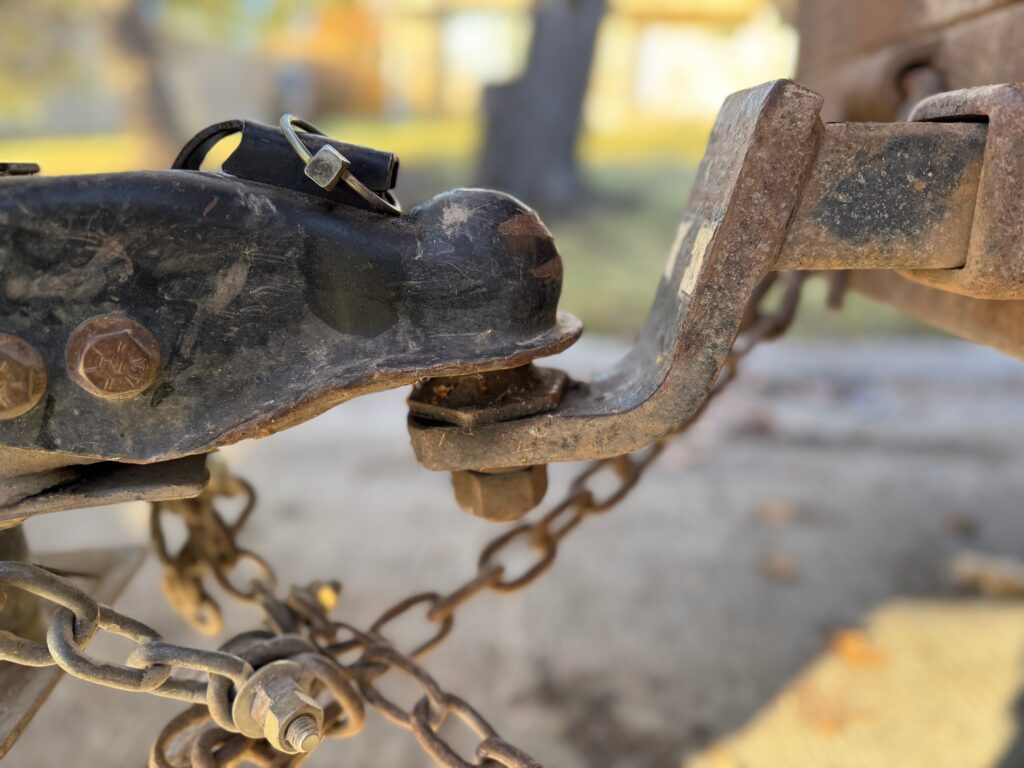
Trailer Towing significantly changes how your vehicle handles, stops, and turns. What feels routine during a normal drive can become challenging once you add extra weight. Whether you’re towing a camper, utility trailer, boat, or a work trailer for the farm, safe driving preparation begins well before you pull onto the road.
This guide is designed for drivers who want to tow with greater confidence and peace of mind. You’ll discover how to properly set up your trailer, manage weight distribution, control your speed, brake safely, and navigate turns smoothly. These reliable practices will help you avoid dangerous sway, reduce wear on your vehicle, and ensure the safety of yourself, your cargo, and fellow Texans on the road.
The Importance of Trailer Towing Safety
A trailer affects virtually every aspect of driving. Your vehicle requires more time to accelerate, a greater distance to stop, and additional space to turn safely. Environmental factors like wind, hills, traffic, and rough Texas pavement all have a more pronounced impact when you’re towing.
Even experienced drivers can encounter serious difficulties if they approach towing like everyday driving. A seemingly minor oversight, such as improper loading or excessive braking, can quickly escalate into dangerous trailer sway or complete loss of control. The reassuring news is that most towing problems are entirely preventable with proper setup and adherence to proven driving techniques.
Trailer Setup for Safe Towing
Safe towing begins with thorough preparation before your trip. A properly matched and securely connected trailer system is significantly easier to control and far less likely to cause road hazards.
Vehicle and Trailer Compatibility for Safe Towing
Before towing, always verify your vehicle’s towing capacity and confirm that your trailer and cargo remain within safe limits. Never estimate these critical specifications. Your owner’s manual provides the precise information you need for safe operation.
Additionally, always verify:
- Hitch class appropriately matches trailer weight requirements
- The ball size correctly matches the trailer coupler
- Safety chains are properly crossed beneath the tongue
- All trailer lights function correctly
- Tires on both the vehicle and trailer maintain proper inflation pressure
When any component of your setup is incorrect, the entire towing system becomes compromised and unsafe.
Secure Coupler Connection and Safety Verification
The coupler must sit completely on the hitch ball and lock securely into position. After securing the connection, always test it thoroughly before departure. Safety chains require sufficient slack for turning while avoiding ground contact. Attach the breakaway cable correctly, and never connect it to the safety chains.
This essential safety check requires only a few minutes but can prevent a catastrophic accident.
Pre-Trip Inspection for Safe Towing
A brief walkaround inspection can identify potential issues before they become roadside emergencies. Carefully examine:
- Secure straps and properly positioned cargo
- Intact wiring connections
- Tire condition and sidewall integrity
- Wheel hubs for leaks or bearing problems
- Properly closed latches, ramps, and doors
When hauling equipment or supplies, re-inspect tie-downs after your first few miles of travel, as cargo often shifts more than anticipated.
Choosing the Right Trailer Hitch for Safe Towing
Selecting the correct trailer hitch is a fundamental aspect of weight distribution and load management. The hitch you use must be rated to handle not only the total weight of your trailer but also the specific type of load you intend to carry. Always consult your vehicle’s owner’s manual and the trailer’s specifications to determine the required hitch class. Using a hitch that is under-rated for your load can compromise stability, increase the risk of sway, and even lead to equipment failure on the road.
Make sure the hitch and all related hardware—such as the receiver, hitch ball, and mounting brackets—are compatible with your trailer’s gross trailer weight (GTW) and tongue weight. Specialized hitches, such as weight distribution hitches, can help distribute the load more evenly between the tow vehicle and trailer axles, improving handling and braking, especially with heavier trailers. Investing in the right hitch setup contributes not only to a smoother towing experience but also to the overall safety of your journey. For more information on the types of trailer hitches, check out this information from AAA!
Proper weight distribution represents one of the most critical factors in safe towing. An improperly loaded trailer can cause dangerous sway, fishtailing, or excessive strain on your tow vehicle.
Strategic Loading Practices for Optimal Stability
Position heavier items low on the trailer floor and slightly forward of the trailer axle. This positioning enhances trailer stability and minimizes bounce and sway. Avoid concentrating excessive weight at the rear, which creates instability at highway speeds.
A properly balanced trailer tracks predictably and responds reliably to steering and braking inputs.
Understanding and Avoiding Overload Risks
Total weight represents only part of the safety equation. Weight distribution across your entire towing system is equally important. Overloading the trailer, hitch, or rear axle of your tow vehicle can significantly reduce control and increase stopping distances.
Always verify these critical limits:
- Gross trailer weight capacity
- Tongue weight specifications
- Gross vehicle weight rating
- Individual axle ratings
- Tire load capacity ratings
If your trailer appears level but feels unstable, the issue may involve exceeding these important specifications.
Weight Distribution Hitch Benefits
For heavier trailers, a weight distribution hitch system helps distribute the load more evenly across both the tow vehicle and trailer axles. This upgrade can substantially improve steering response, braking performance, and overall system stability.
When your trailer approaches your vehicle’s maximum towing capacity, this enhancement can significantly improve both safety and driving comfort.
Speed Management for Safe Towing
Excessive speed represents one of the most common causes of towing accidents. A trailer that feels stable at 45 mph may become uncontrollable at 65 mph, particularly in windy conditions or heavy traffic.
The Safety Benefits of Reduced Speed
When towing, always allow yourself additional time to react to changing conditions. Maintain steady speeds and avoid sudden lane changes or abrupt corrections. Even when posted speed limits permit higher speeds, a more conservative approach often provides the safest option for your specific setup and current road conditions.
Moderate speeds help:
- Minimize trailer sway potential
- Reduce required reaction distances
- Improve control through curves
- Decrease stress on brakes and tires
This conservative approach becomes especially important on downhill grades, rough road surfaces, and during crosswind conditions.
Maintaining Safe Following Distances
A heavier towing combination requires significantly greater stopping distance. Maintain substantially more space between your vehicle and traffic ahead. A reliable guideline involves following at much greater distances than you would without a trailer, particularly during rain, in heavy traffic, or on steep terrain.
When another vehicle moves into your safety zone, gently reduce speed to reestablish proper spacing rather than attempting to maintain passenger car following distances.
Managing Wind and Air Turbulence
Crosswinds can affect trailer stability and cause dangerous sway. Large trucks passing your vehicle also create significant air turbulence. Keep both hands firmly on the steering wheel and remain calm. Make small, smooth steering corrections rather than jerking the wheel abruptly.
If your trailer begins to sway, avoid accelerating rapidly or making aggressive steering inputs. Gently reduce the throttle and maintain straight steering until the trailer stabilizes.
Proper Braking Techniques
Braking with a trailer requires careful planning and increased stopping distances. The heavier your load, the more critical smooth braking becomes for safe operation.
Gradual Braking for Enhanced Control
Begin slowing down much earlier than normal driving situations require. Gradual braking helps maintain proper trailer alignment behind your tow vehicle and reduces the risk of jackknifing or dangerous sway.
Aggressive braking can cause:
- Cargo to shift dangerously
- Loss of tire traction
- Trailer to push the tow vehicle
- Skidding on wet or loose road surfaces
Smooth, controlled stops consistently provide the safest braking approach.
Brake Controller Adjustment and Maintenance
When your trailer features electric brakes, ensure the brake controller receives proper adjustment. Insufficient braking can cause the trailer to push your tow vehicle forward. Excessive braking can lock the trailer wheels prematurely.
Before extended trips, test your brake controller in a safe environment. Your trailer brakes should provide supportive, balanced assistance without feeling abrupt or ineffective.
Engine Braking on Steep Grades
On extended downhill grades, utilize engine braking whenever possible. Downshifting helps control speed effectively while preventing brake overheating. Continuous brake application can reduce braking effectiveness when you need maximum stopping power.
When towing through the Texas Hill Country or other mountainous terrain, this technique becomes essential for safe operation.
Safe Turning and Maneuvering Techniques
Turning with a trailer requires additional space and patience. Trailers follow a shorter radius than your tow vehicle, which means normal turning approaches can result in trailer wheels contacting curbs, shoulders, or adjacent traffic lanes.
Wide, Controlled Turn Execution
Approach all turns at reduced speeds while allowing extra clearance space. Execute turns through smooth, controlled arcs rather than attempting sharp, last-minute corrections. Monitor your mirrors frequently to track trailer positioning throughout the turn.
Right turns typically require the most caution because trailers can cut inside sharply. Left turns may demand increased attention to oncoming traffic and lane positioning.
Smooth Steering Practices
Rapid steering changes can destabilize your trailer. When you miss a turn, continue safely forward and locate an appropriate area for turning around. Last-second corrections create significant risks when towing.
This principle applies equally to highway driving. Change lanes gradually and only when you have ample clearance space.
Backing Techniques and Practice
Backing with a trailer challenges many drivers and represents one of the most difficult towing skills. Practice in empty parking lots before attempting to back into campsites, driveways, or loading zones.
These helpful techniques improve backing success:
- Position your hand at the bottom of the steering wheel
- Move your hand toward the direction you want the trailer to travel
- Make small, precise steering adjustments
- Back very slowly
- Use a spotter when available
Regular practice builds confidence and reduces stress during actual backing situations.
Common Towing Questions and Safety Concerns
Frequent Towing Mistakes to Avoid
Poor trailer loading represents one of the most serious mistakes. Improper weight distribution can make even short trips feel unstable and dangerous. Another common problem involves driving too fast for current conditions and equipment limitations.
Identifying and Managing Trailer Sway
You may notice the trailer beginning to move side-to-side behind your vehicle. Steering may feel loose or unresponsive. When this occurs, remain calm, gradually reduce speed, maintain straight steering, and avoid sudden braking or sharp steering corrections.
Towing Safety in Adverse Weather
Wet road conditions significantly reduce traction and increase required stopping distances. Reduce speeds more than usual, maintain extra following distance, brake gently, and avoid sudden lane changes or abrupt maneuvers.
Comprehensive Pre-Trip Safety Checklist
Before every towing trip, invest a few minutes verifying these essential safety items:
- Hitch and coupler connections are secure
- Safety chains attach correctly with proper positioning
- The breakaway cable connects appropriately
- All lights and turn signals function properly
- Trailer tires maintain correct inflation and good condition
- Cargo is properly balanced and securely fastened
- Mirrors provide clear rear visibility
- The brake controller operates correctly
- Total load remains within all rated capacity limits
This systematic routine helps identify potential problems before they become dangerous road hazards.
Safe Towing: Your Path to Confident Travel
Safe trailer towing depends on thorough preparation, patient driving, and maintaining proper control. When your trailer receives the correct setup, weight is properly distributed, and you adjust your speed, braking, and turning techniques appropriately, towing becomes significantly safer and much less stressful.
Take time to follow proper procedures before every trip. A few additional minutes of careful preparation can prevent expensive damage and serious accidents. We encourage you to share this valuable information with family and others in our community who tow trailers, helping them stay safer on the road!
For more content like this, please visit our blog.