
As the Texas heat finally begins to break, fall brings a welcome change in weather and a timely reminder to give your vehicle some attention! Whether you’re hauling equipment between fields, driving the family truck into town, or commuting to work, your vehicle has likely logged plenty of miles under the summer sun. That kind of wear adds up, and small issues can turn into costly repairs if you ignore them as the weather cools. That’s why fall auto maintenance is so important!
For our Ag Workers policyowners, we know your vehicles aren’t just a way to get around. They’re essential tools for daily life, whether that means towing a trailer, navigating unpaved roads, or simply getting the kids to school on time. Taking a few proactive steps now can help you avoid breakdowns, stay safe on the road, and keep your insurance claims history clean!
Why Fall Auto Maintenance Matters in Texas
Texas weather doesn’t always follow the calendar. One week you might have triple-digit heat, and the next, a cold front rolls through overnight. These swings put extra stress on your vehicle’s systems, from the battery to the tires.
For those in agriculture, fall often means increased vehicle use. Harvest season, livestock hauling, and equipment transport all add extra strain on trucks and trailers already worn down by months of summer driving. A little preventative care now can save you time, money, and hassle later.
Check Your Battery Before It Fails You
Summer heat is brutal on car batteries, even if the effects don’t show up until temperatures drop. High heat accelerates fluid evaporation inside the battery, which can weaken its ability to hold a charge. By the time cooler fall mornings arrive, a battery that seemed fine all summer might struggle to start your engine.
What to do:
- Have your battery tested at a local auto shop, especially if it’s more than three years old.
- Check for corrosion on the terminals and clean it off if present.
- Make sure the battery is securely mounted, since loose connections can cause intermittent starting issues.
If you drive farm vehicles that sit unused for stretches of time, consider a trickle charger to keep the battery topped off between uses.
Inspect Your Tires for Wear and Proper Pressure
Tires take a beating on Texas roads, especially if you’re frequently driving on gravel, dirt, or uneven terrain common to rural and agricultural properties. Fall is a good time to check tread depth and overall tire condition before winter weather potentially arrives.
What to do:
- Use the penny test: insert a penny into the tread with Lincoln’s head facing down. If you can see all of his head, it’s time to replace the tire.
- Check tire pressure monthly, since temperature drops can cause pressure to decrease.
- Rotate your tires if it’s been more than 5,000 to 7,000 miles since the last rotation.
- Don’t forget to inspect your spare tire, particularly if you’re hauling trailers or equipment regularly.
Properly maintained tires don’t just extend the life of your vehicle. They also play a critical role in safe handling, especially if fall rains make roads slick. Remember, a safe tire tread depth is 4/32 or higher! Once your tires reach 4/32, it is time to plan to replace them. Once they reach 2/32, they are no longer legally safe to drive and MUST be replaced as soon as possible!
Test Your Brakes Before You Need Them Most
Brake performance is one of the most important safety factors on any vehicle, and it’s easy to overlook until something feels off. If you’ve been driving extensively over the summer, whether for personal errands or hauling heavy loads, your brake pads may be more worn than you realize.
What to do:
- Listen for squealing, grinding, or other unusual noises when braking.
- Pay attention to whether your vehicle pulls to one side when braking, which can indicate uneven wear.
- Have your brake pads, rotors, and fluid checked by a professional if it’s been over a year since your last inspection.
This is especially important for anyone towing trailers or hauling livestock, since added weight puts extra demand on your braking system.
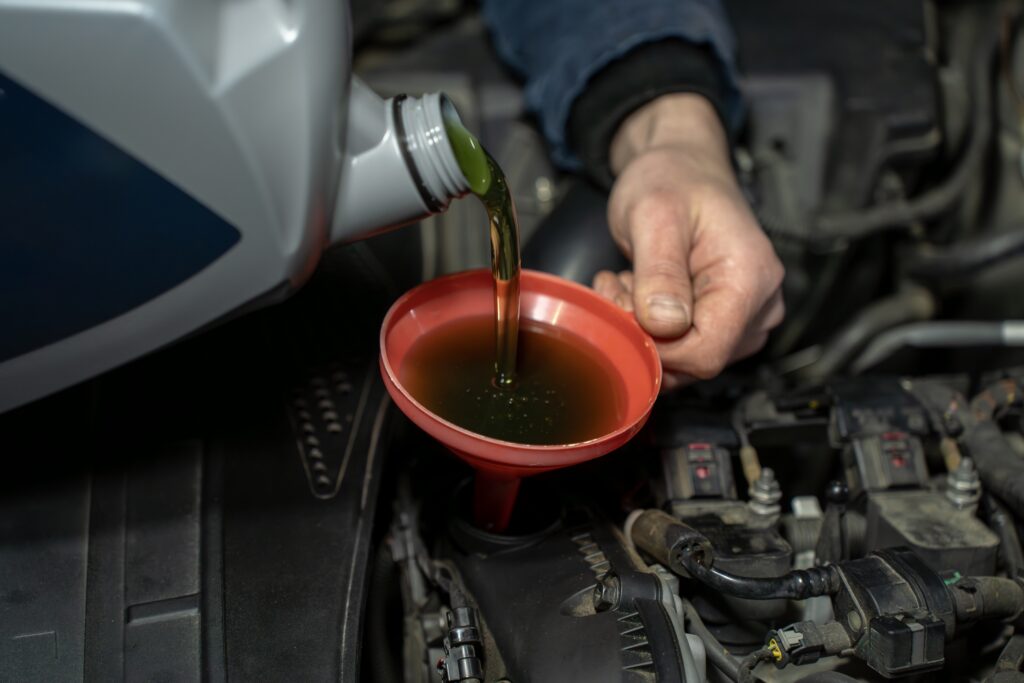
Change Your Oil and Check Fluid Levels
Regular oil changes keep your engine running smoothly, but fall is also a good time to check other essential fluids that often get overlooked.
What to do:
- Change your oil according to your vehicle’s recommended schedule, typically every 5,000 to 7,500 miles for most modern vehicles.
- Check coolant levels, since this fluid helps regulate engine temperature in both hot and cold conditions.
- Inspect windshield washer fluid and top it off, since fall often brings dust, pollen, and the occasional early rain that can make visibility a challenge.
- Check transmission and brake fluid levels, topping off or scheduling a flush if needed.
Staying on top of fluid maintenance helps prevent larger mechanical issues that are far more expensive to fix than a routine oil change.
Replace Worn Wiper Blades
Summer sun can cause wiper blades to crack and deteriorate, even if they looked fine a few months ago. With fall sometimes bringing unexpected rain showers, you’ll want clear visibility when you need it most.
What to do:
- Replace wiper blades if they’re streaking, skipping, or making noise.
- Clean your windshield thoroughly to remove any buildup from summer dust and pollen.
- Consider keeping a backup set of wiper blades in your vehicle, especially if you’re frequently driving rural roads where auto parts stores aren’t always nearby.
Inspect Lights and Signals
Shorter days mean more driving in low light, so now’s the time to make sure every light on your vehicle is working properly.
What to do:
- Check headlights, taillights, brake lights, and turn signals.
- Replace any burnt-out bulbs promptly.
- Clean foggy or discolored headlight covers, since this can significantly reduce visibility at night.
This is a quick check that takes just a few minutes but makes a real difference in both safety and avoiding potential traffic citations.
Don’t Forget Your Emergency Kit
Fall weather in Texas can be unpredictable, and having a well-stocked emergency kit in your vehicle can make all the difference if you ever find yourself stranded.
What to include:
- Jumper cables or a portable jump starter
- Flashlight with extra batteries
- Basic tool kit
- Blanket and extra clothing
- Water and non-perishable snacks
- First aid kit
- Reflective triangles or flares
If you’re regularly driving rural roads for agricultural work, it’s also worth keeping a tow strap and basic tire repair kit on hand, since help may not always be close by.
Keep Your Coverage as Reliable as Your Maintenance Routine
Taking care of your vehicle is one of the best ways to avoid unexpected breakdowns and stay safe on Texas roads this fall. But even the most well-maintained vehicle can’t prevent every accident or unforeseen event. That’s where having the right coverage in place matters.
At Ag Workers Auto Insurance, we understand that your vehicles, whether personal or farm-use, are essential to your daily life. If it’s been a while since you reviewed your policy, fall is a great time to make sure your coverage still fits your needs. Our dedicated support team is here to help answer any questions and make sure you’re protected no matter where the road takes you this season! Visit agworkers.com or call 800-772-7424 today to learn more!
Frequently Asked Questions
How often should I check my tire pressure in the fall?
It’s a good idea to check tire pressure at least once a month, since dropping temperatures can cause pressure to decrease even if there’s no visible damage to the tire.
Do I need to winterize my vehicle in Texas?
While Texas winters are generally mild, it’s still smart to check your battery, coolant levels, and tire tread before temperatures drop, especially if you’re driving in rural areas where help may not be immediately available.
How can I find a trustworthy local mechanic for seasonal maintenance?
Ask fellow agriculture workers or neighbors for recommendations, and look for shops with experience servicing trucks and farm vehicles, since they’ll be familiar with the specific wear and tear common to agricultural use.
What should I do if I notice an issue during my fall inspection?
Address any issues as soon as possible, especially with brakes, tires, or lights, since these directly impact your safety on the road. Don’t wait until a minor issue becomes a major repair!
For more content like this, please visit our blog.