

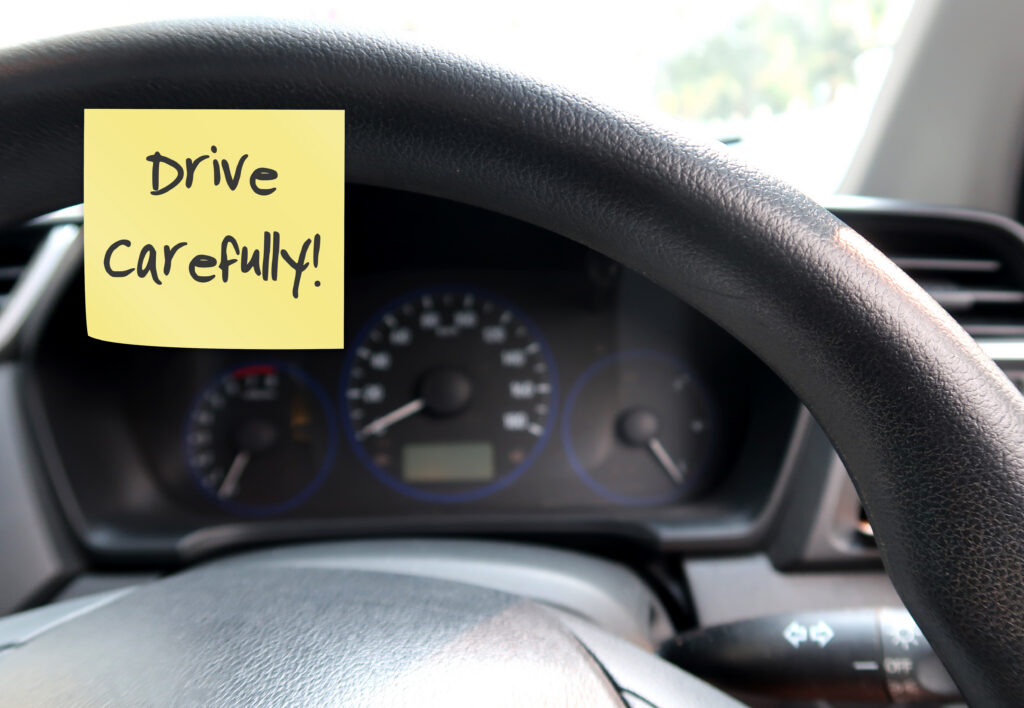
Whether you’re hauling equipment down a rural highway or making a quick run into town, Texas roads come with their own set of challenges. Wide-open stretches, unpredictable weather, and heavy truck traffic can make even a familiar drive feel risky. That’s where defensive driving comes in.
Defensive driving is more than just following the rules of the road; it’s about anticipating hazards before they happen and making smart, proactive decisions behind the wheel. For Texans who spend a lot of time on the road, these habits can genuinely save lives. They can also save money. Many insurance providers, including Ag Workers, reward safe drivers with lower premiums and other discounts!
This guide breaks down the key principles of defensive driving and how you can put them to work on your daily drives.
What Is Defensive Driving?
Defensive driving is a set of safe driving techniques that help you reduce risk on the road, even when other drivers make mistakes. The goal is simple: stay aware, stay prepared, and stay in control.
It’s not about being overly cautious or slowing down traffic. It’s about building habits that give you more time to react when something unexpected happens, like a deer crossing a farm road or a truck that merges without signaling.
Key Defensive Driving Habits Worth Adopting
Keep a Safe Following Distance
One of the most effective defensive driving techniques is maintaining a generous following distance. The standard recommendation is the “three-second rule”: pick a fixed point ahead, and make sure at least three seconds pass between when the vehicle in front of you passes it and when you do.
On Texas highways where speeds are higher, or when you’re towing a trailer or hauling equipment, extend that to four or five seconds. Stopping distance increases significantly with added weight, and rural roads don’t always give you the smooth surface conditions you’d find on a freeway.
Scan the Road Ahead, Not Just What’s in Front of You
Experienced drivers constantly scan the full picture: what’s happening ahead, to the sides, and in the mirrors. Looking 10 to 15 seconds ahead gives you time to spot hazards early—a slow-moving tractor, a patch of loose gravel, or cattle near an unfenced roadway.
This habit is especially important in agricultural areas where you might encounter farm equipment sharing the road during planting and harvest seasons. Slowing down early and giving operators plenty of room is always the right call.
Eliminate Distractions
Distracted driving is one of the leading causes of road accidents in Texas. According to the Texas Department of Transportation, one person is killed or injured in a distracted driving crash every 57 seconds in the state!
Phones are the most obvious culprit, but distractions also include eating, adjusting the radio, or even chatting with passengers. Before you pull out of the driveway, set your GPS, get comfortable, and put your phone out of reach.
Adjust for Weather and Road Conditions
Texas weather can change fast. Flash flooding, thick fog in low-lying areas, and severe thunderstorms all demand a different approach behind the wheel. Slow down, increase your following distance, and use headlights in low visibility—even during daylight if conditions warrant it.
Dirt and caliche roads common on ranch properties become slick when wet, so reduce speed and avoid sharp turns. If you’re driving through standing water, remember: turn around, don’t drown! Just 12 inches of moving water can carry away a small vehicle.
Manage Fatigue
Long days in the field followed by a drive home are a recipe for fatigue behind the wheel. Drowsy driving slows your reaction time just as much as alcohol does. If you’re feeling drowsy, pull over safely and rest; even a 20-minute nap can make a meaningful difference.
Plan longer drives for times when you’re alert, and try to avoid driving during the late afternoon slump (typically between 2 PM and 4 PM) or late at night when fatigue is more likely to set in.
Watch for Other Drivers Even When You Have the Right of Way
Defensive driving means assuming that other drivers may not behave predictably. At intersections, check both ways even when you have a green light. When merging onto a highway, verify that the lane is truly clear before committing.
This mindset isn’t pessimistic; it’s practical. You can follow every rule perfectly and still end up in a dangerous situation because of someone else’s mistake. Defensive drivers prepare for that possibility.
How Defensive Driving Can Lower Your Insurance Costs
Here’s some good news: safe driving habits don’t just protect you on the road; they can also protect your wallet.
Many states, including Texas, allow insurance companies to offer discounts to drivers who complete certified defensive driving courses. These courses are available online and in person, and they typically take around six hours to complete. Finishing one could make you eligible for a discount on your auto insurance premium. Beyond course discounts, maintaining a clean driving record over time is one of the most reliable ways to keep your rates low!
Teaching Defensive Driving to Young Drivers in Your Family
If you have teenagers or young adults in the household who are starting to drive, defensive driving is one of the most valuable skills you can pass on to them. Texas teen drivers face higher accident rates than older drivers, and many of those accidents involve inexperience rather than recklessness.
Practice together on familiar roads before moving to highways or unfamiliar routes. Talk through what you’re watching for as you drive; narrating your decisions helps young drivers understand the thinking behind safe driving, not just the mechanics of operating a vehicle.
Consider enrolling new drivers in a certified defensive driving course as part of their early driving education. It builds confidence, reinforces good habits, and could even earn them a discount on their policy.
Drive With Confidence, Every Time
Defensive driving isn’t something you perfect overnight. It’s a mindset that develops over time through consistent practice and a genuine commitment to safety. The good news is that even small changes, like scanning further ahead or adding a second to your following distance, can significantly reduce your risk on the road.
At Ag Workers, we’re proud to support Texans with auto coverage built around your lifestyle and your needs. Whether you’re driving a small sedan or large pickup truck, we’re here to make sure you’re protected on every journey.
Questions about your current coverage or interested in learning more about available discounts? Reach out to our dedicated support team; we’re always happy to help!
For more content like this, please visit our blog.