
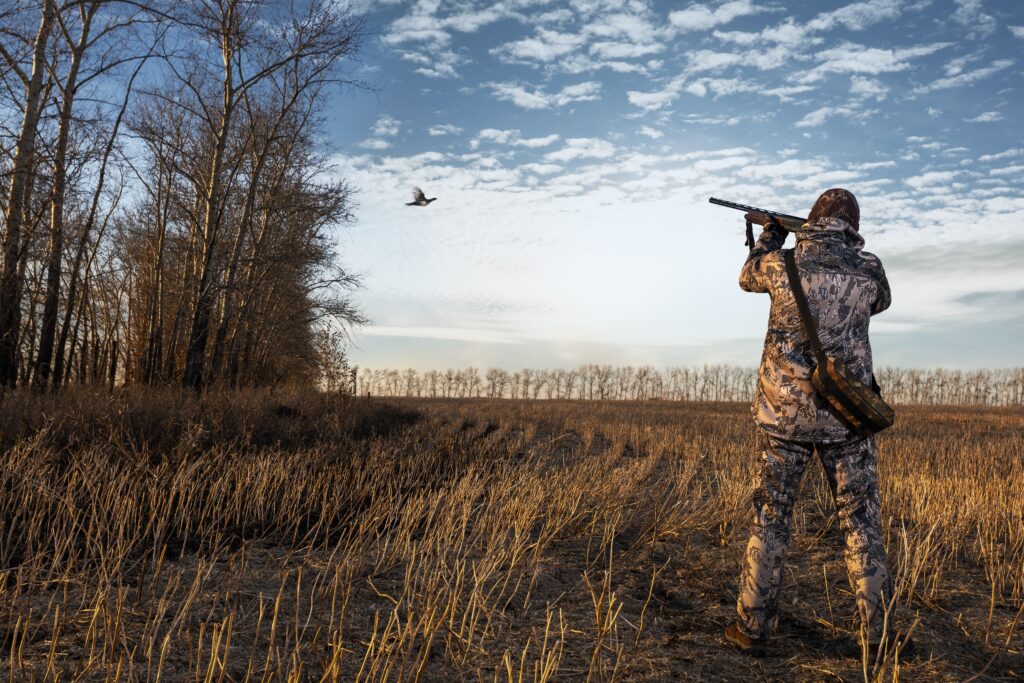
Texas hunting season runs primarily from early fall through winter; general deer season typically opens in late October and runs through January, depending on the region and weapon type.
Staying safe in the field means preparing properly, following firearm safety rules, knowing your target and what’s beyond it, respecting landowner agreements, and hunting within Texas Parks and Wildlife Department regulations.
Whether you’re a seasoned hunter or heading out for the first time, these best practices help protect you, your hunting partners, and the land you hunt on!
When Is Hunting Season In Texas?
Texas hunting seasons vary by species, weapon type, and region, but the general timeline looks like this:
- Dove season: Begins in early September and runs in phases through late October, picking back up in December in some zones.
- Archery deer season: Typically starts in late September or early October.
- General (rifle) deer season: Usually opens the first Saturday in November and runs through the first Sunday in January in most counties.
- Turkey season: Falls in spring for most of the state, with a limited fall season in specific counties.
Because Texas is divided into different hunting zones with their own regulations, exact dates shift slightly year to year. The Texas Parks and Wildlife Department publishes official season dates annually, so review them before you head out to stay legal and prepared!
Prepare for a Safe and Successful Hunting Season
Preparation before opening day makes a meaningful difference in both safety and success. A few essentials to handle before the season starts:
- Confirm your license and tags are current and cover the species and zone you’re hunting. Texas hunting licenses expire August 31 each year, and specific tags apply to specific species.
- Sight in your firearm or practice with your bow well before season opens so you’re confident and accurate in the field.
- Inspect and test your equipment, including stands, harnesses, blinds, and safety gear, before trusting them in the field.
- Review the TPWD regulations for your specific county and species, since bag limits, legal shooting hours, and weapon restrictions vary by location.
- Let someone know your plan, where you’re hunting, when you expect to return, and who to contact if they don’t hear from you.
Why does physical preparation matter?
Hunting season in Texas often means early mornings, uneven terrain, and long walks in varying weather. Making sure you’re physically ready for the conditions and dressed appropriately for cold pre-dawn temperatures that can shift to warm afternoons reduces fatigue-related mistakes and keeps you alert throughout the hunt!
Firearm and Bow Safety in the Field
Firearm accidents are almost entirely preventable when hunters follow established safety rules consistently, every time, not just most of the time:
- Treat every firearm as if it’s loaded, even when you know it isn’t.
- Never point a firearm at anything you’re not willing to shoot!
- Keep your finger off the trigger until your sights are on target and you’ve made the decision to shoot.
- Know your target and what’s beyond it. In open Texas terrain, bullets can travel far beyond the intended target.
- Unload firearms when crossing fences, climbing into stands, or moving through dense brush!
- Use a haul line to raise and lower firearms and equipment into elevated stands rather than carrying them while climbing.
What about archery safety?
Bowhunters should inspect arrows and broadheads before each use, never dry-fire a bow, and be fully aware of arrow flight paths. Broadheads should be handled with the same respect as a loaded firearm; they are exceptionally sharp and can cause serious injury.
Tree Stand and Elevated Blind Safety
Tree stand falls are one of the leading causes of serious hunting injuries in the United States. Using a full-body harness every time you’re off the ground, from the moment you leave the ground until you return to it, dramatically reduces this risk.
Additional elevated stand best practices include:
- Inspect your stand before each season for rust, cracks, worn straps, or damaged components.
- Follow the manufacturer’s weight limits and installation guidelines exactly.
- Use a haul line for your firearm or bow and all gear; never climb with equipment in hand.
- Tell someone which stand you plan to use before heading out.
- Carry a cell phone or communication device, especially when hunting alone.
Blaze Orange and Visibility
Texas law does not require blaze orange for deer hunters, but it is strongly recommended, particularly during gun season when multiple hunters may be in the same area. Many experienced Texas hunters wear blaze orange as a matter of habit because it significantly reduces the risk of being mistaken for game.
Dove and turkey hunters, however, should be especially cautious since camouflage is common practice for those species, and visibility between hunters in the field matters even more. Always confirm you have a clear identification of your target before raising a weapon!
Respecting Landowners and Hunting Leases
For Texas landowners, access is everything. Whether you’re hunting your own property, using a lease, or hunting on family land, maintaining clear and respectful communication with landowners preserves access for years to come!
A few best practices that go a long way:
- Get written permission before hunting on any private land, even if verbal permission has been granted in the past.
- Know the boundaries of the property you’re hunting and stay within them.
- Leave gates as you find them, open or closed, and respect the working nature of agricultural land.
- Pack out everything you pack in, and clean up any waste from your hunting site. Remember, leave no trace!
- Report any issues like trespassing, damage, or unusual activity to the landowner promptly.
Texas landowner communities are tight-knit. How hunters treat the land reflects on the broader community, and responsible behavior protects hunting access for everyone.
Ethical Hunting and Wildlife Stewardship
Ethical hunting goes beyond following the law; it’s about respecting wildlife, land, and other hunters. Some foundational principles:
- Only take shots you’re confident in. A clean, ethical harvest matters more than filling a tag.
- Follow bag limits and legal shooting hours as defined by TPWD for your county and species.
- Retrieve and utilize harvested game responsibly and promptly to minimize waste.
- Avoid road hunting or any method that isn’t consistent with fair chase principles.
- Support conservation efforts through licensing fees and voluntary programs that fund wildlife management across Texas.
Post-Hunt Safety and Field Care
Field care after a harvest matters for both safety and meat quality. A few key steps:
- Process game promptly, especially in Texas fall temperatures that can still be warm. Cooling the carcass quickly protects meat quality.
- Use clean tools and gloves when field dressing, and avoid contact with internal organs when possible to reduce exposure to potential disease.
- Dispose of carcass waste properly in accordance with local regulations and landowner preferences.
- Unload all firearms before returning to camp or your vehicle.
- Debrief with your hunting party at the end of each day to review what went well and address any safety concerns before the next morning.
Frequently Asked Questions
When does Texas deer season officially start?
General (rifle) deer season in most of Texas begins the first Saturday in November and runs through the first Sunday in January, though archery season starts earlier, typically in late September or early October. Exact dates vary by county, so checking the Texas Parks and Wildlife Department’s current season calendar is the best way to confirm specific dates before you head out.
Do I need a hunting license in Texas to hunt on my own land?
In most cases, yes. Texas landowners and their immediate family members may be exempt from license requirements when hunting certain species on their own property, but the rules vary by species. Checking with TPWD directly or reviewing the current regulations booklet is the most reliable way to confirm what applies to your situation.
What should I do if I witness an unsafe hunting situation?
Calmly and clearly communicate the safety concern to the person involved if it’s safe to do so. If the situation involves a serious violation or immediate danger, contact Texas Game Wardens through the TPWD Operation Game Thief hotline or local law enforcement.
Is blaze orange required in Texas?
Texas does not mandate blaze orange for deer hunters, but it is widely recommended during rifle season for visibility among hunting parties. Turkey and dove hunters typically use camouflage, making communication and target identification especially important in those situations.
How can I make sure my hunting lease is set up properly?
A written lease agreement that clearly defines boundaries, access rights, responsibilities, and any restrictions is the best way to protect both hunters and landowners. Many Texas landowners work with a local attorney familiar with rural land issues to put a solid agreement in place before the season starts.
For more content like this, please visit our blog.